Depopulation and evacuation
The threat of war approached rapidly. Refugees from further inland sporadically moved through the village, by train and later on foot. But even when British and French troops dug in along the road from Passchendaele to Beselare, and the rumble of distant shelling could be heard, daily life went on as usual. On 20 October 1914 everything changed when the first shells fell on Zonnebeke and Passchendaele. All the villages on the ridge had to be evacuated. Throngs of refugees left with their meagre belongings in a long procession westwards towards Ypres and France, while French and British reinforcements raced to the front. The local residents thought they wouldn’t be away for long. Many animals were simply left in their stalls or in the meadows. Everyone’s best clothes were placed in the cupboards and valuables were hidden. Some costly objects were even buried in the ground, for fear of theft or simply because it was impossible to take everything with you. Look for example at how this family put their dishes under the table. They were hoping it would be protected there against shelling. But their hope of a swift return ultimately proved to be in vain.
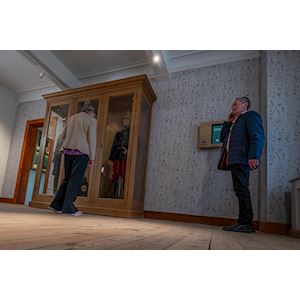

Passchendaele Museum
Discover what our museum has to offer by listening to or by reading the audio stops below.
- Berten Pilstraat 5A
- Zonnebeke Belgium
- 0032 (0)51 77 04 41
- www.passchendaele.be